






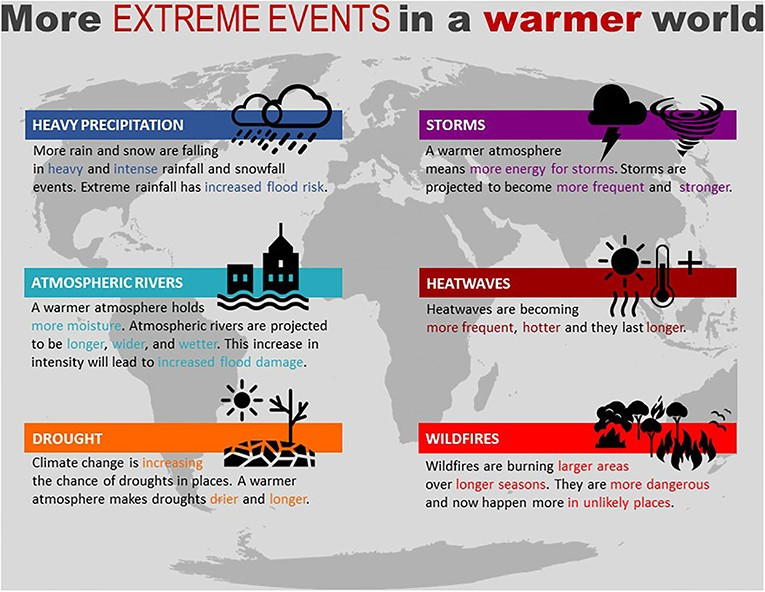
Climate change has become one of the most serious global challenges of the 21st century. In 2026, its effects are more visible than ever before, as extreme weather events are increasing in frequency and intensity across the world. Rising temperatures, melting glaciers, unpredictable rainfall, and stronger storms are affecting human life, economies, and ecosystems. Scientists, governments, and international organizations are warning that urgent action is needed to reduce the risks and prevent further damage.
Climate change refers to long-term changes in temperature and weather patterns caused mainly by human activities. The burning of fossil fuels such as coal, oil, and gas releases greenhouse gases like carbon dioxide into the atmosphere. These gases trap heat and cause the Earth’s temperature to rise, a process known as global warming. Deforestation and industrial pollution also contribute to this problem by reducing the planet’s ability to absorb carbon dioxide.
One of the most visible impacts of climate change is extreme heat. Many countries are experiencing record-breaking temperatures, especially during summer seasons. Heatwaves are becoming more frequent and dangerous, affecting human health and agriculture. In some regions, extreme heat has led to droughts, water shortages, and reduced crop production. Farmers are struggling to grow food, which is increasing food prices and creating economic pressure.
Flooding is another major risk linked to climate change. Heavy rainfall and changing weather patterns are causing severe floods in many parts of the world. Urban areas are especially vulnerable because poor drainage systems cannot handle large amounts of water. Floods destroy homes, infrastructure, and farmland, forcing millions of people to leave their houses. Recovery from such disasters often takes years and requires significant financial support.
Rising sea levels are also a growing concern. As global temperatures increase, polar ice caps and glaciers are melting, causing ocean levels to rise. Coastal cities and small island nations are at high risk of being submerged in the future. This threatens millions of people who live near coastlines and depend on the sea for their livelihoods. Governments are now investing in sea defenses, but the problem continues to grow.
Extreme storms such as hurricanes, cyclones, and typhoons are becoming more powerful due to warmer ocean temperatures. These storms cause widespread destruction, including damage to buildings, transportation systems, and electricity networks. Strong winds and heavy rainfall lead to loss of life and economic losses. Countries in Asia, the Americas, and the Pacific region are particularly affected by these disasters.
Wildfires are another serious consequence of climate change. Hotter and drier conditions increase the likelihood of forest fires, which spread quickly and destroy large areas of land. Wildfires not only damage ecosystems but also release large amounts of carbon dioxide into the atmosphere, further worsening climate change. Many countries are now investing in advanced fire detection systems and emergency response teams to deal with this growing threat.
The impact of climate change is not limited to the environment; it also affects human health. Air pollution, heat stress, and the spread of diseases are increasing in many regions. Mosquito-borne diseases such as malaria and dengue fever are spreading to new areas due to changing temperatures. Healthcare systems are under pressure as they try to deal with these new challenges.
Economically, climate change is causing serious damage. Natural disasters destroy infrastructure, reduce productivity, and increase recovery costs. Insurance companies are facing higher claims due to frequent disasters, and governments are spending large amounts on relief efforts. Developing countries are especially vulnerable because they have fewer resources to adapt to these changes.
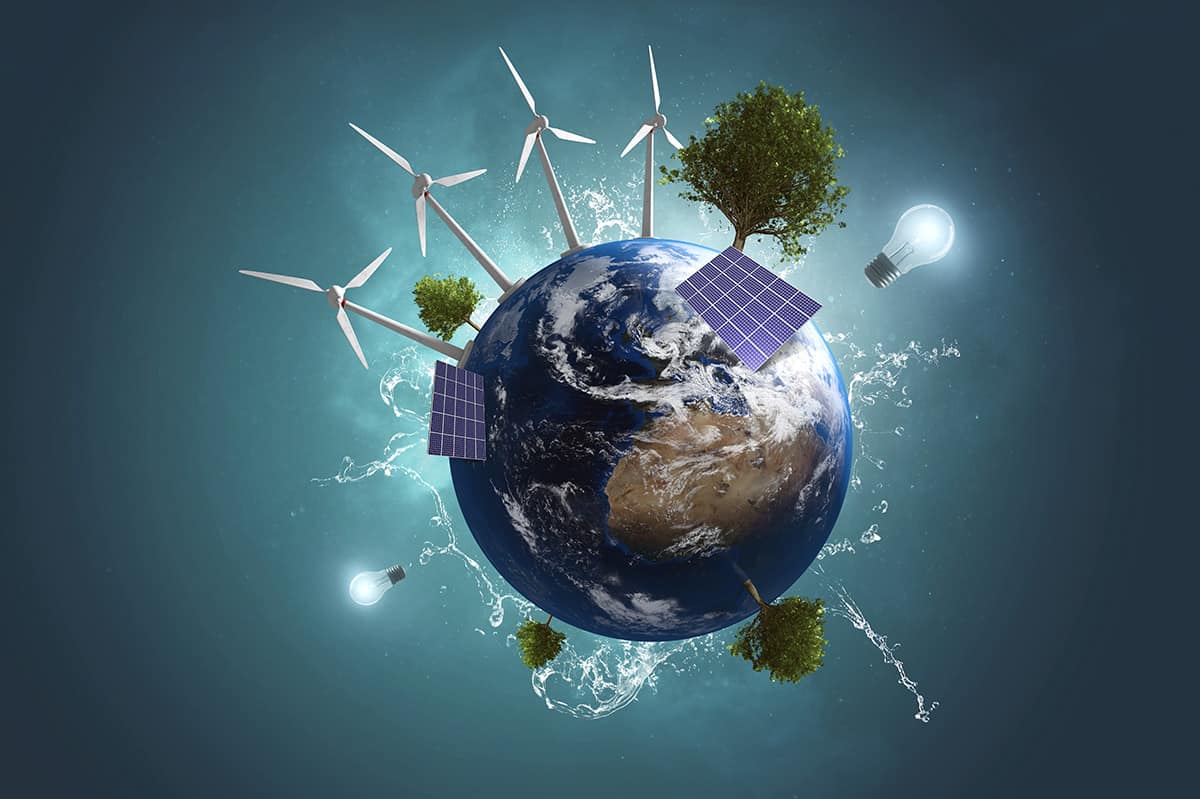
Despite these challenges, global efforts are being made to address climate change. International agreements such as the Paris Agreement aim to reduce greenhouse gas emissions and limit global temperature rise. Countries are investing in renewable energy sources like solar, wind, and hydropower to reduce dependence on fossil fuels. Many governments are also promoting electric vehicles and energy-efficient technologies.
Public awareness is also increasing, and individuals are being encouraged to take action. Simple steps such as reducing energy consumption, planting trees, recycling waste, and using public transport can help reduce environmental impact. Education and community involvement play an important role in building a more sustainable future.
In conclusion, climate change and extreme weather risks are among the most urgent global issues today. Rising temperatures and changing weather patterns are affecting every part of the world, from health and agriculture to economies and infrastructure. While the challenges are serious, coordinated global action and sustainable practices can help reduce the impact. The future of the planet depends on how quickly and effectively humanity responds to this crisis.