







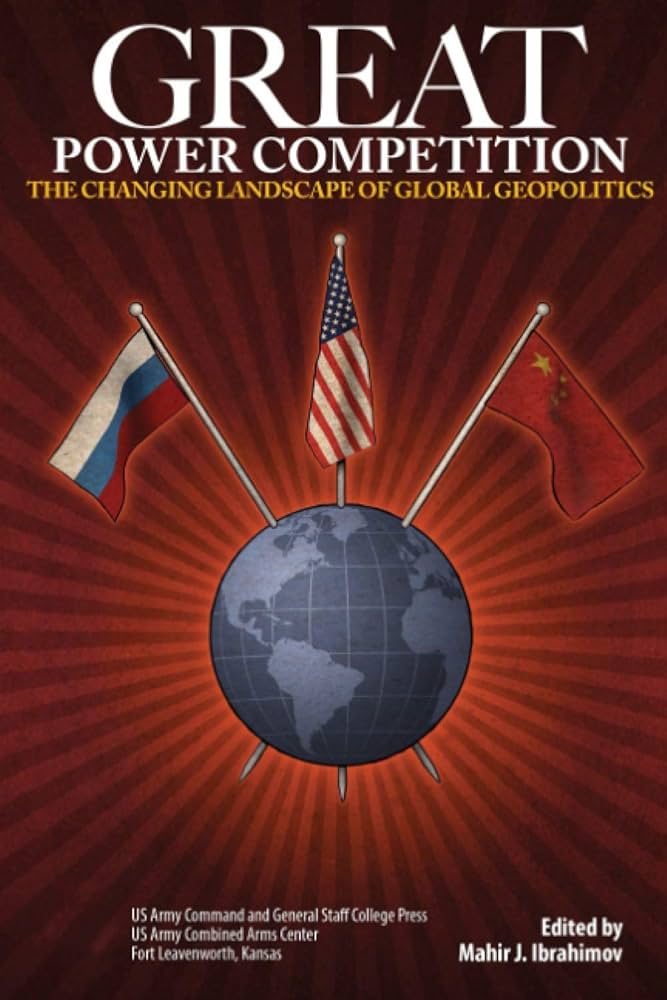
Great power competition has once again become the defining feature of international relations in the 21st century. After a brief period of relative unipolarity following the Cold War, global politics is shifting toward a more multipolar and contested order. Major powers such as the United States, China, and Russia are increasingly competing for influence, strategic advantage, and control over emerging domains like technology and cyberspace. This evolving rivalry is reshaping the structure of international security and raising new questions about stability, conflict prevention, and global governance.
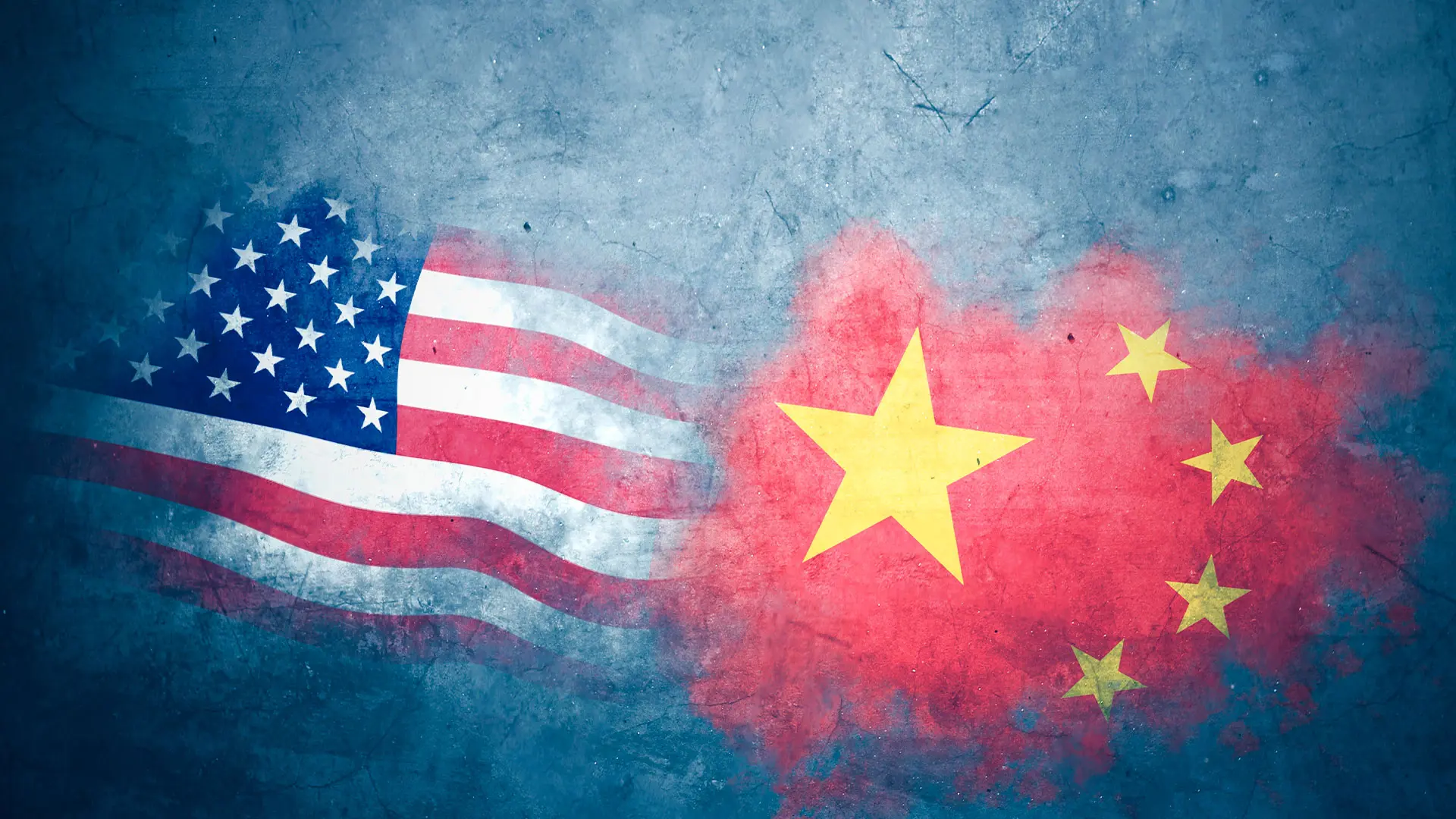
At the core of today’s great power competition is the strategic rivalry between the United States and China. The United States remains the world’s leading military power and maintains an extensive network of alliances across Europe, Asia, and beyond. However, China’s rapid rise in economic strength, technological capability, and global trade influence has challenged this dominance. Initiatives such as infrastructure development projects, expanding trade partnerships, and advancements in artificial intelligence and manufacturing have enabled China to extend its global reach. As a result, competition between the two powers now spans multiple domains, including economics, military strategy, and technology.
This rivalry is particularly visible in the Indo-Pacific region, which has become a central arena of strategic competition. Naval presence, military alliances, and security partnerships are expanding as both powers seek to secure influence over key maritime routes and regional allies. Countries in the region often find themselves balancing relationships between the two giants, attempting to benefit from economic ties while maintaining security partnerships. This delicate balancing act reflects the broader uncertainty created by shifting power dynamics in the international system.
Russia also plays a significant role in shaping the current security environment, particularly in Europe and surrounding regions. Its foreign policy actions and military engagements have contributed to heightened tensions with Western countries. In response, alliances such as NATO have strengthened their defense posture and expanded cooperation among member states. Russia’s use of cyber capabilities, information strategies, and energy leverage demonstrates how modern competition extends beyond traditional battlefield warfare into hybrid forms of influence and pressure.
One of the most important consequences of great power competition is the renewed focus on military modernization and defense spending. Countries are investing heavily in advanced weapons systems, including hypersonic missiles, unmanned aerial vehicles, missile defense systems, and cyber warfare capabilities. These developments increase deterrence but also raise the risk of escalation, as rapid technological advancement can reduce decision-making time during crises. The possibility of miscalculation or misunderstanding between rival powers has therefore become a serious concern for international security experts.
Technology has emerged as a central battleground in this competition. Artificial intelligence, semiconductor production, quantum computing, and space technology are now viewed as strategic assets that determine national strength. Control over these technologies not only enhances military capabilities but also shapes economic competitiveness and global influence. As a result, countries are imposing export controls, restricting foreign investment in sensitive sectors, and investing heavily in domestic innovation. This technological fragmentation is contributing to a more divided global economy.
International institutions face increasing strain under these conditions. Organizations designed to promote cooperation, such as the United Nations and the World Trade Organization, often struggle to mediate disputes between major powers with conflicting interests. Decision-making gridlock and reduced consensus weaken the effectiveness of multilateral governance. Issues such as climate change, arms control, and conflict resolution become more difficult to address when leading powers prioritize strategic rivalry over collective action.
In response to great power competition, regional alliances and partnerships have become more important. Countries are forming strategic blocs and agreements to strengthen their security and economic resilience. These groupings often reflect shared concerns about regional stability and external influence. However, they also risk deepening divisions within the international system, potentially creating competing spheres of influence that reduce global integration.
Despite these tensions, opportunities for cooperation still exist. Even rival powers share common interests in preventing nuclear proliferation, managing global pandemics, addressing climate change, and maintaining financial stability. Diplomatic engagement and communication channels remain essential tools for reducing misunderstandings and preventing conflicts from escalating. Confidence-building measures and arms control agreements can also help limit risks associated with military competition.
The future of international security will largely depend on how effectively great powers manage their rivalries. If competition becomes unchecked and confrontational, it could lead to instability, regional conflicts, or even direct military confrontation. However, if managed through structured diplomacy, strategic restraint, and institutional cooperation, it may also produce a more balanced and stable international order.
In conclusion, great power competition is reshaping the foundations of global security. It influences military strategies, technological development, economic policies, and international institutions. While it introduces significant risks, it also presents opportunities for cooperation and balance if managed carefully. The challenge for the global community is to ensure that competition does not turn into conflict, and that international security remains grounded in stability, dialogue, and shared responsibility.