








Migration has become one of the most significant global issues of the twenty-first century. People migrate for various reasons, including economic opportunities, political instability, armed conflicts, environmental disasters, and the pursuit of a better quality of life. While migration contributes to economic growth and cultural diversity, it also raises concerns about border management and national security. As the movement of people across borders continues to increase, governments face the challenge of balancing humanitarian responsibilities with the need to protect national interests.
Migration is not a new phenomenon. Throughout history, people have moved from one region to another in search of safety, employment, and improved living conditions. However, globalization, technological advancements, and modern transportation have accelerated the pace of migration. Today, millions of people live outside their countries of birth, making migration a defining feature of the modern world.
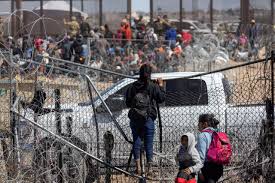
One of the primary concerns associated with migration is border security. Borders serve as the first line of defense for any state, regulating the movement of people and goods. Effective border management helps governments maintain sovereignty, prevent illegal immigration, combat human trafficking, and stop the smuggling of weapons and narcotics. In recent years, many countries have strengthened border controls through surveillance technologies, biometric systems, and enhanced cooperation with neighboring states. These measures aim to ensure that migration occurs through legal and regulated channels.
National security concerns often emerge when migration flows become difficult to monitor or manage. Unregulated migration can create challenges for law enforcement agencies, particularly when criminal networks exploit vulnerable migrants. Human traffickers and smugglers frequently take advantage of individuals seeking better opportunities abroad, exposing them to dangerous journeys and exploitation. Furthermore, governments fear that weak border controls may allow criminal elements or extremist groups to cross borders undetected. Although the vast majority of migrants are law-abiding individuals, security agencies remain vigilant against potential threats.
At the same time, it is important to avoid viewing migration solely through a security lens. Migrants make valuable contributions to host societies by filling labor shortages, supporting economic development, and enriching cultural life. Many developed countries rely on migrant workers in sectors such as healthcare, agriculture, construction, and technology. Skilled migrants often bring innovation and expertise, while migrant entrepreneurs create businesses that generate employment and economic activity. Therefore, migration should be recognized not only as a challenge but also as an opportunity.
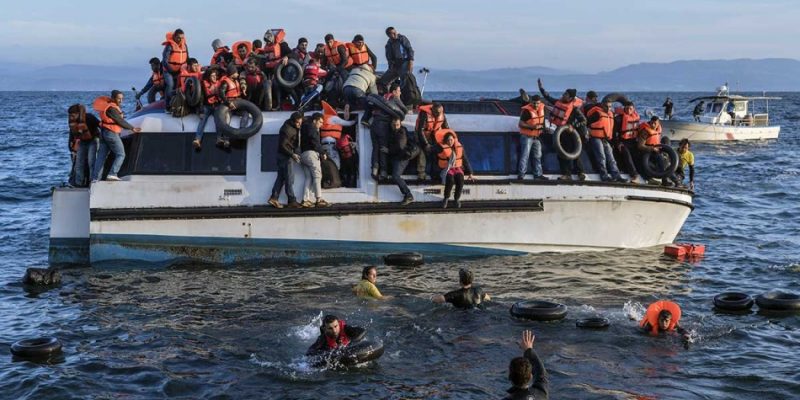
Another important dimension of migration is the humanitarian aspect. Conflicts, persecution, and natural disasters have displaced millions of people worldwide. Refugees and asylum seekers often flee life-threatening situations and seek protection in safer countries. International law recognizes the rights of refugees and obliges states to provide protection to those facing persecution. Consequently, governments must strike a balance between ensuring national security and upholding humanitarian principles. Policies that are excessively restrictive may undermine human rights and international obligations.
Climate change is increasingly becoming a driver of migration. Rising sea levels, droughts, floods, and extreme weather events are forcing communities to relocate. Climate-induced migration is expected to increase in the coming decades, placing additional pressure on border systems and national resources. Policymakers must therefore develop long-term strategies that address both environmental challenges and migration management.
International cooperation is essential for effectively addressing migration-related issues. No country can manage large-scale migration independently. Cooperation among states can improve border security, facilitate information sharing, combat transnational crime, and promote legal migration pathways. Regional and global organizations also play an important role in coordinating responses to migration crises and supporting countries that host large numbers of migrants and refugees.
A balanced migration policy should combine security measures with economic planning, humanitarian protection, and international collaboration. Governments should invest in secure border systems while also expanding legal migration opportunities and supporting integration programs. Such an approach can reduce irregular migration, enhance social cohesion, and strengthen national security without compromising human dignity.
In conclusion, migration, borders, and national security are deeply interconnected issues that require thoughtful and balanced solutions. While states have a legitimate responsibility to protect their borders and citizens, they must also recognize the economic, social, and humanitarian contributions of migrants. Effective policies should focus on managing migration rather than merely restricting it. By combining strong border governance, international cooperation, and respect for human rights, countries can address security concerns while benefiting from the positive aspects of human mobility in an increasingly interconnected world.