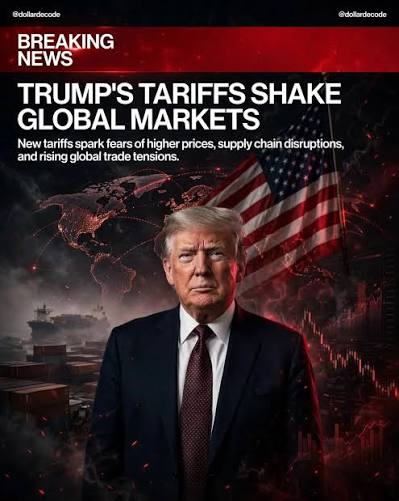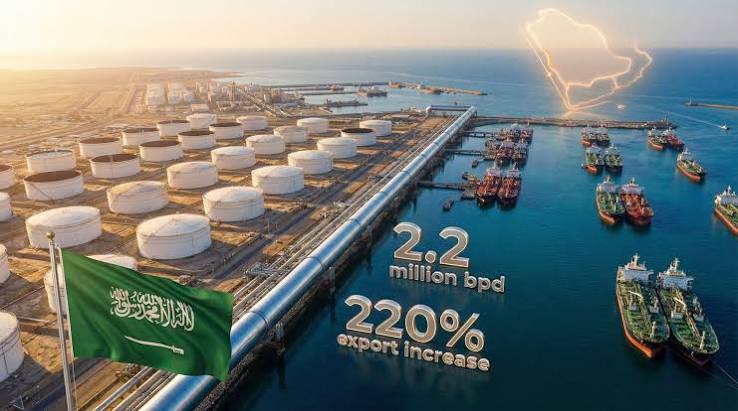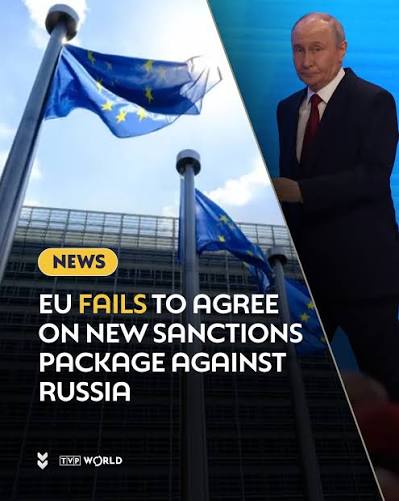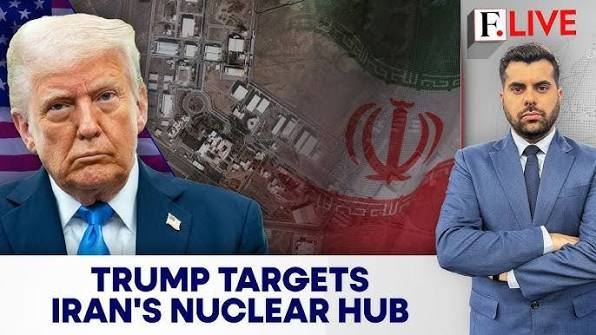








Economic sanctions have become one of the most widely used instruments of foreign policy in the modern international system. They refer to restrictive economic measures imposed by one or more countries against a target state, organization, or individual in order to influence behavior, punish actions, or achieve strategic objectives. Unlike military force, sanctions operate through economic pressure, making them an attractive option for states seeking to avoid direct conflict. However, their effectiveness remains a subject of intense debate among scholars and policymakers.
Sanctions can take various forms, including trade restrictions, asset freezes, financial embargoes, travel bans, and restrictions on technology transfer. They may be unilateral, imposed by a single country, or multilateral, implemented collectively through international organizations. Multilateral sanctions are generally considered more effective because they reduce opportunities for the targeted state to bypass restrictions by engaging with alternative partners.
The primary objective of economic sanctions is to alter the behavior of the targeted state. Governments may impose sanctions to discourage aggression, prevent human rights violations, combat terrorism, or promote compliance with international law. In some cases, sanctions are also used as a signaling mechanism to express disapproval and demonstrate political resolve without resorting to military intervention. They serve as a middle ground between diplomacy and war.
One of the key advantages of economic sanctions is that they provide an alternative to armed conflict. Military intervention often leads to significant human and financial costs, as well as long-term instability. Sanctions, on the other hand, allow states to apply pressure while minimizing direct violence. This makes them a preferred tool for countries seeking to enforce international norms in a less destructive manner.
However, the effectiveness of sanctions is highly contested. In some cases, sanctions have succeeded in achieving political objectives, particularly when they are carefully targeted and supported by broad international coalitions. For example, coordinated sanctions can weaken a country’s economy, limit access to global markets, and create internal pressure on governments to change policies. In other cases, sanctions have contributed to negotiations and diplomatic breakthroughs.
Despite these successes, many sanctions fail to achieve their intended goals. One major reason is the ability of targeted states to adapt and develop alternative economic partnerships. Countries facing sanctions often turn to non-participating states or develop domestic industries to reduce dependence on external markets. This can reduce the overall impact of sanctions and prolong political stalemates.
Another important issue is the humanitarian impact of sanctions. While they are designed to target governments and elites, sanctions can also affect ordinary citizens. Restrictions on trade and finance may lead to shortages of essential goods, inflation, unemployment, and reduced access to healthcare and education. As a result, sanctions can create widespread social and economic suffering, raising ethical concerns about their use.
The effectiveness of sanctions also depends on their design. Broad-based sanctions that target entire economies are often less precise and more harmful to civilian populations. In contrast, targeted or “smart sanctions” aim to focus on specific individuals, institutions, or sectors responsible for objectionable behavior. These measures are intended to minimize humanitarian consequences while maintaining political pressure.
International cooperation plays a crucial role in determining the success of sanctions. When major global powers and international institutions coordinate their efforts, sanctions are more likely to be effective. Conversely, lack of coordination or the presence of alternative economic partners can weaken their impact. Globalization has made it easier for states to find alternative trade routes, which can undermine unilateral sanctions.
Sanctions also raise questions about sovereignty and international law. Critics argue that powerful states may use sanctions as tools of political coercion, sometimes bypassing multilateral institutions. This can create tensions in international relations and contribute to perceptions of inequality in the global system. Supporters, however, argue that sanctions are necessary for maintaining international order and enforcing global norms.
In recent years, sanctions have been increasingly used in response to geopolitical conflicts, nuclear proliferation concerns, terrorism financing, and cyber activities. Their growing use reflects the complexity of modern international relations, where economic interdependence is both a source of cooperation and a means of pressure.
In conclusion, economic sanctions are a powerful but imperfect tool of foreign policy. They offer states a non-military option for influencing international behavior and enforcing global norms. However, their effectiveness depends on careful design, international cooperation, and clear objectives. While sanctions can contribute to diplomatic pressure and political change in some cases, they may also produce unintended humanitarian consequences and limited strategic success. As global interdependence deepens, the role of economic sanctions will continue to evolve, requiring balanced approaches that consider both ethical concerns and strategic objectives.