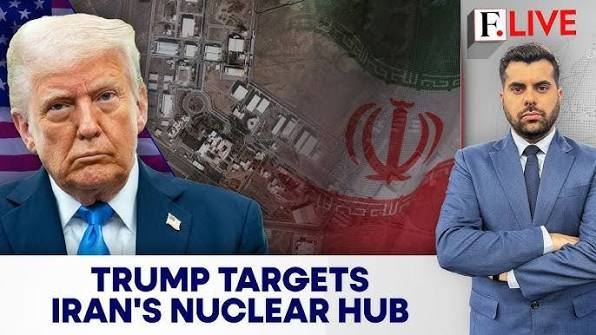








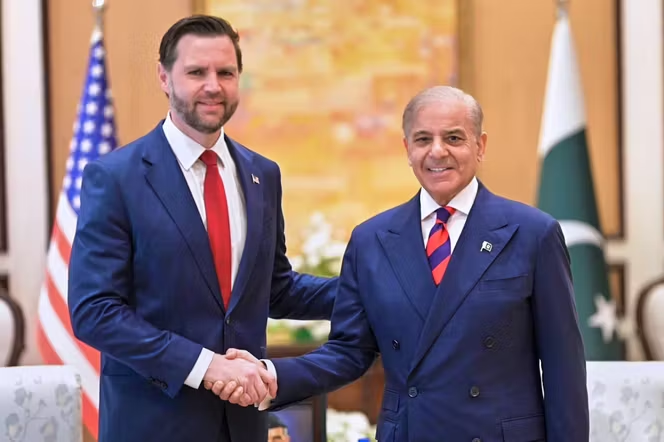
The latest round of high-stakes diplomatic negotiations between the United States and Iran has ended in failure, despite nearly 21 hours of continuous discussions held in Islamabad, Pakistan. The talks, which were seen as a rare and critical attempt to ease escalating tensions in the Middle East, concluded without any agreement, raising fears of further instability in the already volatile region.
According to officials from both sides, the discussions covered several deeply sensitive issues, including Iran’s nuclear program, regional security concerns, sanctions relief, and the future of ongoing conflicts in the Middle East. Pakistan hosted the talks as a neutral mediator, hoping to provide a platform for dialogue between two long-standing adversaries.
However, despite intensive efforts and what sources described as “serious and substantive engagement,” both delegations failed to bridge the gap on core demands. The United States insisted on firm commitments from Iran to halt any possibility of developing nuclear weapons, while Iran demanded relief from sanctions, respect for its regional influence, and guarantees regarding its sovereignty over strategic interests.
Breakdown After Marathon Talks
The negotiations stretched over nearly a full day, marking one of the longest direct engagements between the two countries in recent years. US officials, led by senior representatives including Vice President JD Vance, described the talks as “honest but ultimately inconclusive.” Shortly after the sessions ended, the US delegation departed Islamabad, signaling the end of the current round of discussions.
American officials expressed disappointment but also framed the outcome as a necessary step in a longer diplomatic process. They stated that Iran had not accepted the terms presented by the United States, particularly regarding nuclear restrictions and regional security assurances.
On the Iranian side, officials pushed back strongly against this interpretation. Tehran accused Washington of making “unrealistic and excessive demands” that did not reflect mutual respect or balance. Iranian representatives also emphasized that they did not expect a final agreement from a single meeting, suggesting that the talks were always intended as an initial step rather than a final settlement.
Pakistan’s Role as Mediator
Pakistan played a significant diplomatic role by hosting the talks in its capital. Islamabad positioned itself as a neutral facilitator aiming to reduce tensions between the two rival powers. Pakistani officials welcomed both delegations and provided logistical and diplomatic support throughout the marathon negotiations.
At the conclusion of the talks, Pakistan reiterated the importance of continued dialogue and urged both sides to maintain the fragile ceasefire environment that has recently held in parts of the Middle East conflict zone. Pakistani leadership also expressed hope that future rounds of discussions could be arranged to prevent further escalation.
Observers have noted that Pakistan’s involvement highlights its growing role as a diplomatic intermediary in global affairs, particularly in conflicts involving major powers and regional instability. However, analysts also caution that mediation alone cannot resolve deep-rooted geopolitical disputes without political compromise from the main actors.
Key Issues Behind the Deadlock
Several major sticking points led to the breakdown of talks. The most critical issue remains Iran’s nuclear program. The United States has demanded strict limits and verification mechanisms to ensure Iran does not develop nuclear weapons capability. Iran, however, maintains that its nuclear program is for peaceful purposes and refuses to accept what it sees as external restrictions on its sovereignty.
Another major point of contention is sanctions relief. Iran has long demanded the lifting of economic sanctions that have heavily impacted its economy. Washington, however, has linked any relief to strict compliance with security conditions.
Regional conflicts also played a significant role in the failure of negotiations. Ongoing violence in parts of the Middle East, including tensions involving Israel, Lebanon, and other regional actors, created additional pressure and mistrust between the two sides.
Global Reactions and Concerns
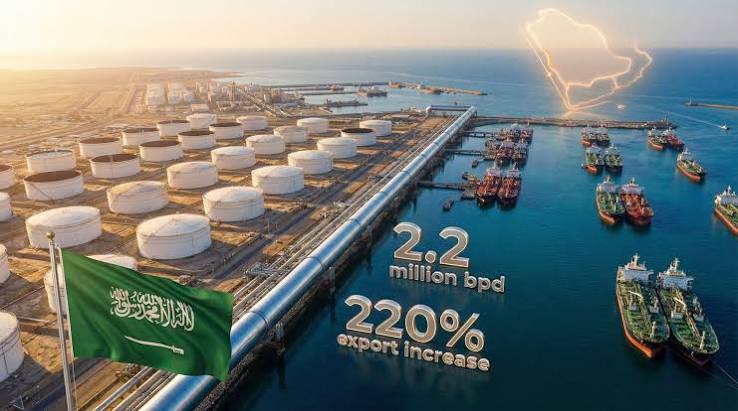
The collapse of talks has drawn concern from the international community. Several countries and global organizations have called for renewed diplomacy, warning that failure to reach an agreement could further destabilize the region. Energy markets have also reacted cautiously, as instability in the Middle East often raises concerns about global oil supply disruptions.
Diplomatic observers say the breakdown does not necessarily mean the end of negotiations, but it does represent a significant setback. Many believe that future talks will depend on whether both sides are willing to soften their positions and rebuild trust through indirect channels or further mediation.
What Happens Next
Despite the lack of agreement, both the United States and Iran have left the door open for future negotiations. Officials from both sides suggested that communication channels remain active, and that additional meetings could be arranged in the coming weeks or months.
Pakistan has also indicated its willingness to continue facilitating dialogue if requested. However, the path forward remains uncertain, with deep political divisions and mutual distrust continuing to define US-Iran relations.
For now, the failure of the Islamabad talks underscores the complexity of the Middle East crisis and the difficulty of achieving peace in a region shaped by decades of conflict, competing interests, and unresolved security challenges. While diplomacy has not collapsed entirely, the absence of a deal marks another missed opportunity to reduce tensions and move toward stability.