







Category: Political science

  • Can International Institutions Effectively Address Global Crises?

    Can International Institutions Effectively Address Global Crises?

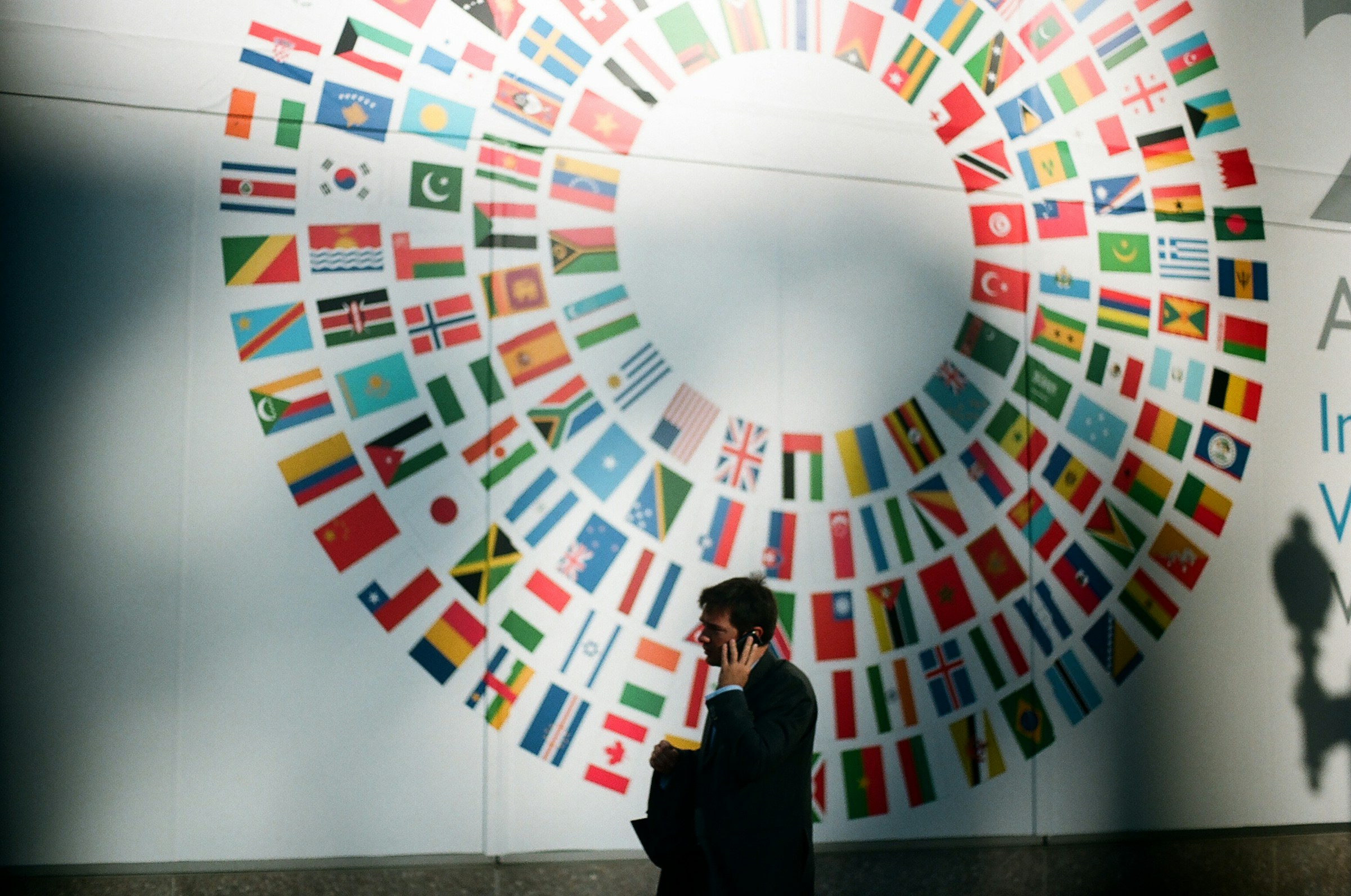
    In an increasingly interconnected world, global crises have become more complex and challenging than ever before. From armed conflicts and climate change to pandemics and economic instability, contemporary problems often transcend national borders and require collective action. In this context, international institutions play a crucial role in promoting cooperation, coordinating responses, and maintaining global stability. However, the effectiveness of these institutions remains a subject of debate. While international organizations have achieved significant successes in addressing global challenges, they also face limitations that hinder their ability to respond effectively to crises.

    International institutions are organizations established by states to facilitate cooperation and address issues of common concern. They include political, economic, and humanitarian organizations that operate at regional and global levels. Their primary purpose is to provide platforms for dialogue, establish international norms, and coordinate collective responses to shared challenges. In a world where no single country can solve global problems alone, these institutions serve as essential mechanisms for cooperation.

    One of the most notable achievements of international institutions is their ability to promote peace and security. Through diplomatic initiatives, peacekeeping missions, and conflict-resolution efforts, international organizations have helped prevent disputes from escalating into large-scale wars. They provide neutral platforms where states can negotiate solutions and reduce tensions. Although not every conflict can be resolved successfully, these institutions contribute significantly to maintaining international stability and encouraging peaceful coexistence among nations.

    International institutions have also played a vital role in addressing global health crises. The outbreak of infectious diseases demonstrates how interconnected the modern world has become. During health emergencies, international organizations coordinate research, share information, and support vulnerable countries with technical and financial assistance. Such cooperation is essential for controlling the spread of diseases and minimizing their social and economic impacts. Without international coordination, responses to global health emergencies would likely be fragmented and less effective.

    Climate change is another area where international institutions are indispensable. Environmental challenges do not respect national boundaries, making international cooperation necessary. Through global agreements, climate conferences, and environmental programs, international organizations encourage countries to reduce emissions, adopt sustainable practices, and support climate adaptation efforts. While progress is often slow, these institutions provide the framework through which collective environmental action can take place.

    Economic crises further highlight the importance of international institutions. Global financial systems are deeply interconnected, meaning that economic disruptions in one region can quickly spread to others. International financial organizations help stabilize economies by providing financial assistance, policy guidance, and technical expertise. Their interventions can reduce economic uncertainty and support recovery efforts during periods of financial distress.

    Despite these achievements, international institutions face several challenges that limit their effectiveness. One major obstacle is the issue of national sovereignty. States often prioritize their national interests over collective goals, making it difficult to achieve consensus on critical issues. When powerful countries disagree, international institutions may struggle to take decisive action. Political rivalries and competing strategic interests frequently delay responses to urgent crises.

    Another challenge is the lack of enforcement mechanisms. Many international organizations rely on the voluntary cooperation of member states. While institutions can issue recommendations and resolutions, they often lack the authority to ensure compliance. As a result, countries may ignore international commitments when they conflict with domestic priorities or political interests. This limitation reduces the effectiveness of global governance efforts.

    Funding constraints also affect the performance of international institutions. Many organizations depend on contributions from member states to carry out their activities. Financial shortages can limit their capacity to respond quickly and effectively to emergencies. In times of large-scale crises, insufficient resources may hinder humanitarian operations, peacekeeping missions, and development programs.

    Furthermore, critics argue that some international institutions do not adequately reflect the realities of the contemporary world. Many governance structures were established decades ago and may no longer represent current geopolitical and economic realities. Calls for institutional reform have grown stronger as emerging powers seek greater representation and influence in global decision-making processes.

    Nevertheless, despite their shortcomings, international institutions remain essential for addressing global crises. Their imperfections should not overshadow their contributions to peace, health, economic stability, and environmental protection. Rather than abandoning these institutions, the international community should focus on strengthening and reforming them. Improving transparency, enhancing representation, increasing funding, and fostering greater cooperation among states can significantly improve their effectiveness.

    In conclusion, international institutions can effectively address global crises, but their success depends largely on the political will and cooperation of member states. While challenges such as sovereignty concerns, funding limitations, and political divisions constrain their performance, these organizations remain indispensable in managing transnational problems. In an era of growing global interdependence, stronger and more effective international institutions are not merely desirable but necessary for ensuring a stable, secure, and prosperous world.

  • Human Rights Violations Around the World

    Human Rights Violations Around the World

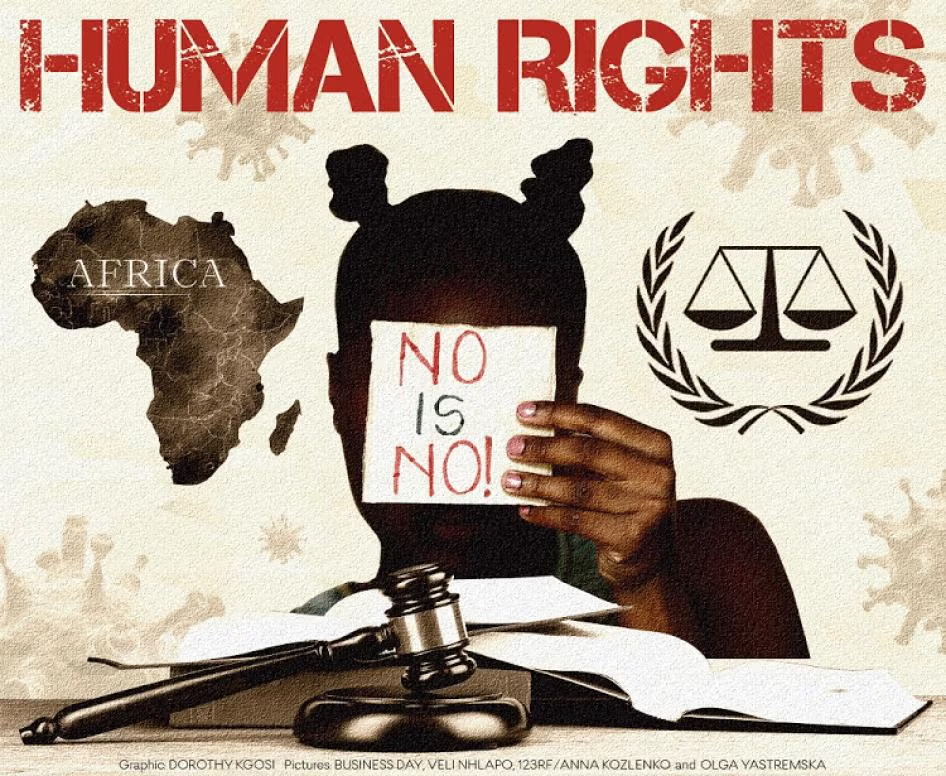
    Human rights are the basic rights and freedoms that belong to every person, regardless of nationality, race, religion, gender, or social status. These rights include the right to life, freedom of speech, education, equality, justice, and protection from torture and discrimination. They are considered universal and essential for human dignity. However, despite international laws and global awareness, human rights violations continue to take place in many parts of the world. These violations threaten peace, justice, and stability, making it one of the most serious global issues today.

    One of the major causes of human rights violations is armed conflict. In war-torn regions, civilians often suffer the most. They are forced to leave their homes, lose access to basic necessities, and become victims of violence. In some cases, people are deliberately targeted based on their ethnicity, religion, or political beliefs. Refugees and internally displaced persons face extreme hardship, including lack of food, shelter, and healthcare. Conflicts in different parts of the world have shown how quickly human rights can be ignored during times of war.

    Authoritarian governments are another major source of human rights abuses. In some countries, political leaders restrict freedom of speech, press, and assembly. Citizens are not allowed to openly criticize the government, and journalists may face imprisonment or violence for reporting the truth. Political opposition is often suppressed, and elections may not be free or fair. These actions violate fundamental democratic principles and prevent people from participating in decision-making processes.

    Discrimination based on race, religion, gender, and ethnicity also contributes to human rights violations. Many individuals face inequality in education, employment, and legal protection simply because of their identity. Women in some societies are denied equal rights, including access to education and work opportunities. Religious minorities may face persecution, violence, or forced displacement. Racial discrimination continues to exist in various forms, even in developed countries, affecting social harmony and equality.

    Poverty is another important factor that leads to human rights violations. In poor communities, people often lack access to basic needs such as clean water, healthcare, and education. Children may be forced into child labor instead of attending school. Without financial stability, individuals become vulnerable to exploitation and abuse. Poverty also limits access to justice, as many people cannot afford legal support or representation. As a result, their rights are often ignored or violated without consequences.

    In recent years, technological advancements have also raised concerns about human rights. Digital surveillance, data collection, and censorship are increasingly being used by governments and organizations. In some cases, citizens’ online activities are monitored without their consent, violating privacy rights. Social media platforms can also be used to spread misinformation, hate speech, and propaganda, which can lead to violence and discrimination. While technology has many benefits, it must be regulated to ensure that it does not harm human rights.

    International organizations play a vital role in addressing human rights violations. The United Nations, through its human rights councils and agencies, works to investigate abuses and promote global standards. Other organizations such as Amnesty International and Human Rights Watch also document violations and raise awareness. These institutions help pressure governments to improve their human rights records and provide support to victims. However, their effectiveness often depends on the cooperation of individual states.

    Despite international efforts, enforcing human rights laws remains a challenge. Many countries prioritize political or economic interests over human rights concerns. In some cases, powerful nations avoid criticism due to strategic alliances. This creates inconsistency in how human rights are protected globally. Additionally, lack of strong international enforcement mechanisms makes it difficult to punish violators effectively.

    Education and awareness are essential tools for promoting human rights. When people understand their rights, they are more likely to stand against injustice and demand accountability. Schools, media, and civil society organizations play an important role in spreading awareness about equality, justice, and freedom. A well-informed society is better equipped to protect human dignity and prevent abuse.

    In conclusion, human rights violations remain a widespread and serious problem around the world. They are caused by war, political oppression, discrimination, poverty, and misuse of technology. Although international organizations and laws exist to protect human rights, enforcement is still weak in many cases. To create a just and peaceful world, governments, institutions, and individuals must work together to respect and protect human rights. Only through global cooperation, education, and strong legal systems can humanity ensure dignity, freedom, and equality for all people.