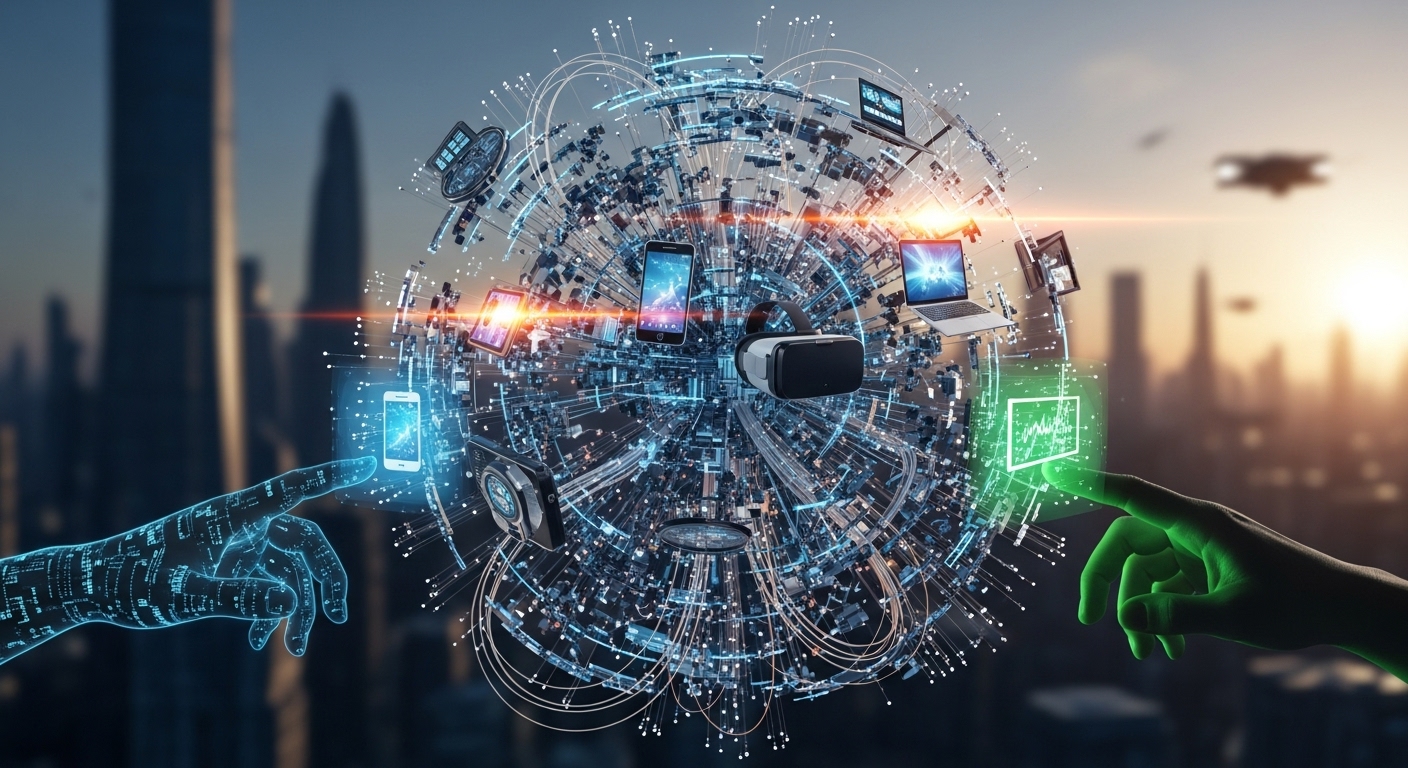










Democracy has long been considered one of the most effective systems of governance because it gives people the power to choose their leaders and express their opinions freely. However, the rapid growth of digital technology has transformed the way democratic societies function. The internet, social media, artificial intelligence, and digital communication have changed political systems, public participation, and the spread of information. While technology offers new opportunities for democratic development, it also creates serious challenges. The future of democracy in the digital age will depend on how societies manage the balance between technological progress and democratic values.
One of the greatest advantages of the digital age is increased political participation. In the past, citizens relied mainly on newspapers, television, and public gatherings to stay informed about politics. Today, people can instantly access news, political debates, and government policies through smartphones and the internet. Social media platforms allow citizens to share opinions, discuss issues, and participate in campaigns more actively than ever before. Digital tools have made it easier for governments to communicate with the public and receive feedback from citizens. As a result, democracy has become more interactive and accessible.
Another important benefit of technology is the promotion of transparency and accountability. Digital platforms allow journalists, activists, and ordinary citizens to expose corruption and misuse of power. Information can spread quickly across the world, making it difficult for governments to hide unethical actions. Online petitions, public awareness campaigns, and digital activism have empowered people to demand justice and social reforms. Many democratic movements in recent years have gained strength through social media and online communication. This demonstrates how technology can strengthen democratic institutions and encourage public awareness.
Despite these advantages, the digital age also presents serious threats to democracy. One major problem is the spread of misinformation and fake news. False information can travel rapidly on social media and influence public opinion before facts are verified. Political groups and foreign actors can use digital platforms to manipulate elections, create confusion, and divide societies. Many people find it difficult to distinguish between reliable information and propaganda. This weakens trust in democratic institutions and creates political polarization.
Another challenge is the misuse of personal data and digital surveillance. Technology companies collect large amounts of information about users’ behavior, preferences, and political views. This data can be used to target voters with personalized political advertisements and influence their decisions. In some countries, governments use digital surveillance to monitor citizens and suppress freedom of expression. Such practices threaten privacy, human rights, and democratic freedoms. If technology is used without ethical regulations, democracy may become vulnerable to control and manipulation.
Artificial intelligence also raises concerns about the future of democracy. AI systems can influence political communication, decision-making, and public opinion. Deepfake videos and AI-generated content can spread false narratives and damage the reputation of political leaders. At the same time, algorithms used by social media platforms often promote sensational or divisive content to increase user engagement. This can encourage extremism and social conflict. Therefore, democratic societies must develop laws and ethical standards to ensure that artificial intelligence is used responsibly.
However, technology itself is not the enemy of democracy. The real issue lies in how humans use digital tools. If governments, technology companies, and citizens work together responsibly, the digital age can strengthen democratic systems instead of weakening them. Education plays a vital role in this process. People must learn digital literacy skills to identify false information, think critically, and use technology responsibly. Strong laws are also needed to protect privacy, regulate online platforms, and prevent cyber manipulation.
In the future, democracy is likely to become more digital and participatory. Online voting systems, digital public consultations, and virtual political campaigns may become common in many countries. Citizens will have greater opportunities to engage directly with political processes. However, democratic values such as freedom, equality, justice, and transparency must remain central in this transformation. Without these principles, technology could become a tool of control rather than empowerment.
In conclusion, the digital age has created both opportunities and challenges for democracy. Technology can increase participation, transparency, and public awareness, but it can also spread misinformation, threaten privacy, and encourage political manipulation. The future of democracy will depend on the responsible use of digital technology and the protection of democratic values. If societies can successfully balance innovation with ethics and freedom, democracy can continue to grow stronger in the modern world.