







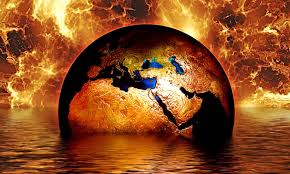
Climate change is one of the most serious challenges facing the world today. It refers to long-term changes in global temperatures and weather patterns. Although climate variations have occurred naturally throughout Earth’s history, human activities have significantly accelerated the process in recent decades. The excessive burning of fossil fuels, deforestation, industrialization, and unsustainable agricultural practices have increased the concentration of greenhouse gases in the atmosphere, leading to global warming and severe environmental consequences.
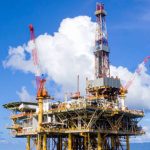
One of the primary causes of climate change is the emission of greenhouse gases such as carbon dioxide, methane, and nitrous oxide. These gases trap heat in the Earth’s atmosphere, creating a “greenhouse effect” that raises global temperatures. Since the Industrial Revolution, human activities have released enormous amounts of these gases into the environment. As a result, the average global temperature has risen significantly, causing widespread disruptions to natural systems and ecosystems.
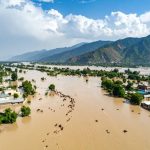
The effects of climate change are visible across the world. Rising temperatures have led to the melting of glaciers and polar ice caps, causing sea levels to rise. Coastal cities and low-lying regions face increasing risks of flooding and land loss. Extreme weather events, including hurricanes, droughts, heatwaves, and heavy rainfall, have become more frequent and intense. These disasters not only damage infrastructure but also threaten human lives and livelihoods.
Climate change also poses a serious threat to biodiversity. Many plant and animal species struggle to adapt to rapidly changing environmental conditions. Rising temperatures, habitat destruction, and changes in rainfall patterns have forced numerous species to migrate or face extinction. Coral reefs, which support a large portion of marine life, are particularly vulnerable due to ocean warming and acidification. The loss of biodiversity weakens ecosystems and reduces their ability to provide essential services such as food, clean water, and air purification.
Agriculture is another sector heavily affected by climate change. Changes in weather patterns can reduce crop yields, increase pest infestations, and create water shortages. Farmers in many regions are experiencing difficulties in maintaining agricultural productivity due to unpredictable rainfall and prolonged droughts. As food production declines, food prices may rise, leading to increased hunger and poverty, especially in developing countries where communities are highly dependent on agriculture.
Human health is also at risk. Higher temperatures contribute to heat-related illnesses and deaths, particularly among vulnerable populations such as the elderly and children. Climate change can also increase the spread of infectious diseases by creating favorable conditions for disease-carrying insects such as mosquitoes. Additionally, air pollution associated with fossil fuel use contributes to respiratory and cardiovascular diseases, affecting millions of people worldwide.
The economic impact of climate change is substantial. Governments and businesses spend billions of dollars each year recovering from natural disasters and adapting to changing environmental conditions. Damage to infrastructure, reduced agricultural output, and disruptions to industries can slow economic growth and increase financial burdens on societies. Developing nations often suffer the most because they have fewer resources to respond to climate-related challenges.
Addressing climate change requires global cooperation and immediate action. Governments, international organizations, businesses, and individuals all have important roles to play. Transitioning from fossil fuels to renewable energy sources such as solar, wind, and hydroelectric power can significantly reduce greenhouse gas emissions. Protecting forests, promoting sustainable agriculture, improving energy efficiency, and investing in green technologies are essential strategies for combating climate change.
Individuals can also contribute by adopting environmentally friendly lifestyles. Simple actions such as conserving energy, reducing waste, using public transportation, recycling, and supporting sustainable products can make a positive difference. Public awareness and education are equally important in encouraging responsible environmental behavior and promoting collective action.
In conclusion, climate change is a growing global threat that affects every aspect of life on Earth. Its impacts on the environment, biodiversity, agriculture, human health, and the economy are becoming increasingly evident. If left unaddressed, climate change could have devastating consequences for future generations. Therefore, urgent and coordinated efforts are needed to reduce greenhouse gas emissions, protect natural resources, and build a more sustainable future. By working together, humanity can confront this challenge and ensure a healthier planet for generations to come.
