









Gaming has become one of the most defining parts of Generation Z’s lifestyle. Unlike previous generations, Gen Z has grown up in a fully digital world where smartphones, high-speed internet, and online entertainment are part of everyday life. For them, gaming is not just a hobby—it is a culture, a social space, and even a way to express identity.
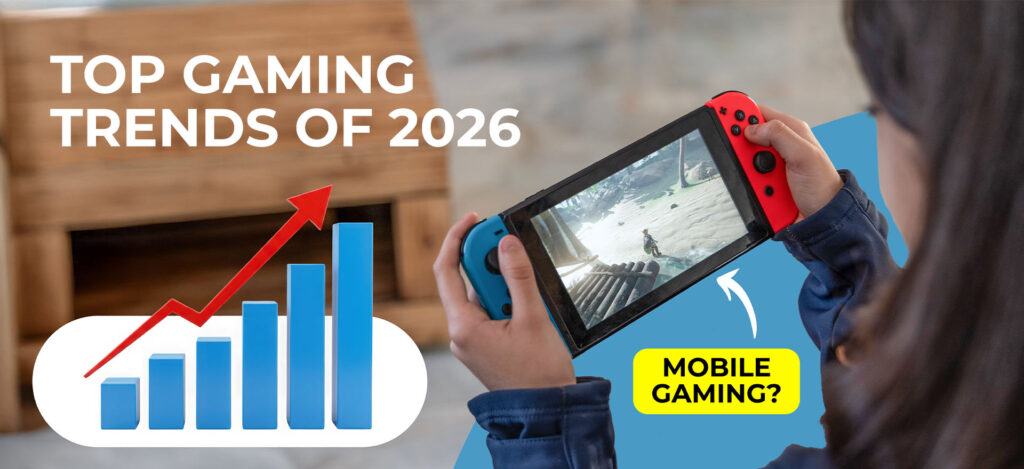
One of the main reasons Gen Z loves gaming is accessibility. With mobile phones, laptops, and affordable internet, games are available almost everywhere. There is no need for expensive equipment or physical spaces. Anyone can download a game and start playing within seconds. This easy access has made gaming a daily activity for millions of young people around the world.
Another important factor is social connection. For Gen Z, gaming is not always about playing alone. Online multiplayer games allow them to connect with friends and strangers from different countries. These games create virtual communities where people can talk, cooperate, and compete in real time. In many cases, gaming has replaced traditional social hangouts, especially after the rise of online communication platforms.
Gaming also offers a sense of escape from real-world pressure. Gen Z faces many challenges such as academic stress, job uncertainty, and constant exposure to social media comparisons. Games provide a virtual world where they can relax, explore, and focus on achievements that feel more immediate and rewarding. This escape is one of the strongest psychological reasons behind gaming’s popularity.
The rise of esports has also played a major role in increasing gaming’s appeal. Competitive gaming has become a global industry with professional players, teams, and international tournaments. Many Gen Z players now see gaming as a possible career path rather than just entertainment. The idea of earning money, fame, and recognition through gaming has inspired millions of young people to improve their skills and take gaming more seriously.
Streaming and content creation have further expanded gaming culture. Platforms where people broadcast their gameplay allow gamers to build audiences and become influencers. Watching others play games has become as popular as playing games themselves. Many Gen Z users follow gaming streamers daily for entertainment, tips, and community interaction. This has created a new digital entertainment industry centered around gaming.
Another reason for gaming’s popularity is creativity and freedom. Modern games are designed with detailed worlds, storylines, and customization options. Players can build characters, design environments, and make choices that affect outcomes. This level of control makes gaming more engaging and personal. For many Gen Z users, games are a way to express creativity that they may not fully explore in real life.
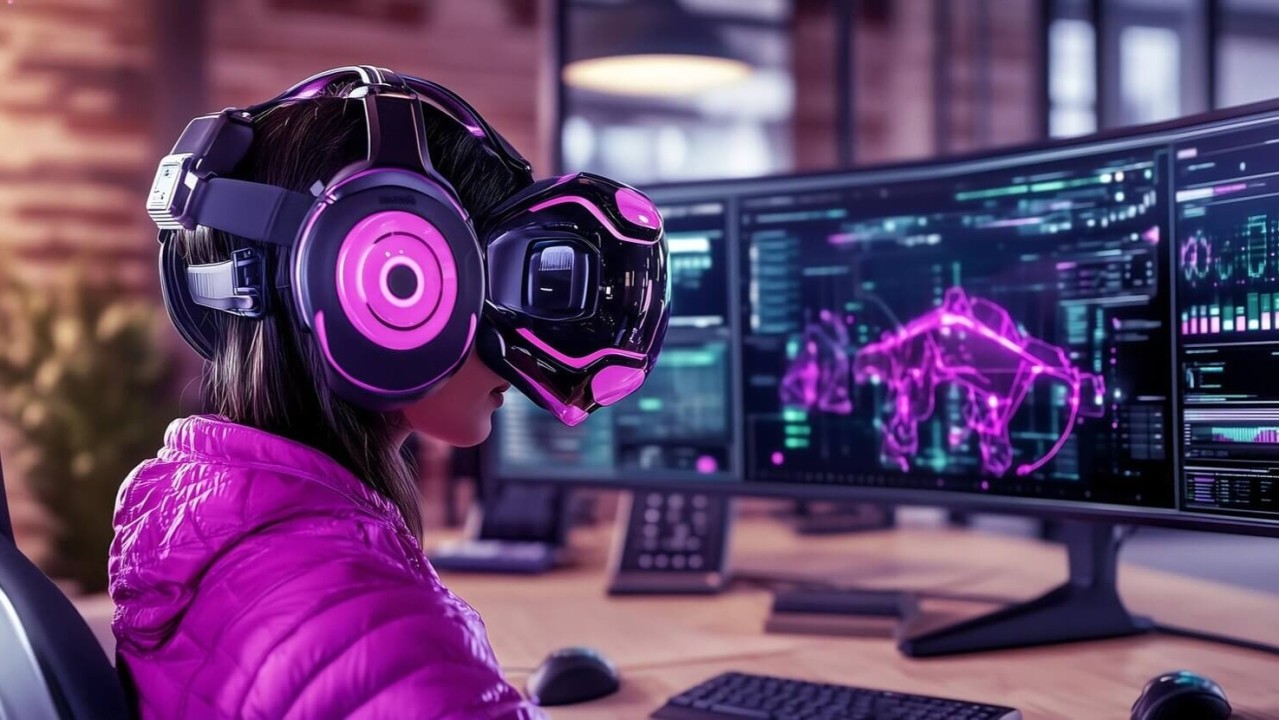
Technology has also made gaming more immersive than ever before. High-quality graphics, virtual reality, and realistic sound effects make games feel more lifelike. These advancements increase emotional engagement and make gaming experiences more exciting. As technology continues to improve, gaming becomes even more attractive to younger generations.
At the same time, gaming is also a shared cultural experience. Many popular games are discussed on social media, memes, and online communities. Gen Z often connects with each other through gaming references, trends, and inside jokes. This shared culture strengthens their sense of belonging and identity within digital spaces.
However, it is also important to recognize the challenges. Excessive gaming can sometimes lead to addiction, reduced physical activity, and distractions from studies or work. Spending too much time in virtual worlds may affect real-life responsibilities and relationships. Because of this, balance is essential to ensure gaming remains a healthy part of life.
Despite these concerns, gaming continues to grow rapidly among Gen Z. It is no longer just entertainment—it is a lifestyle, a social platform, and a global industry. The combination of accessibility, technology, social connection, and career opportunities has made gaming deeply embedded in Gen Z culture.
In the future, gaming is expected to become even more advanced and interactive. With developments in artificial intelligence, virtual reality, and cloud gaming, the experience will become more realistic and accessible. For Gen Z, gaming is not just part of their present—it is also shaping their future in powerful ways.