



Rising Tensions Push the Middle East Toward Another Dangerous Crisis
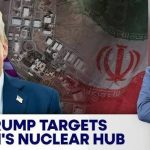
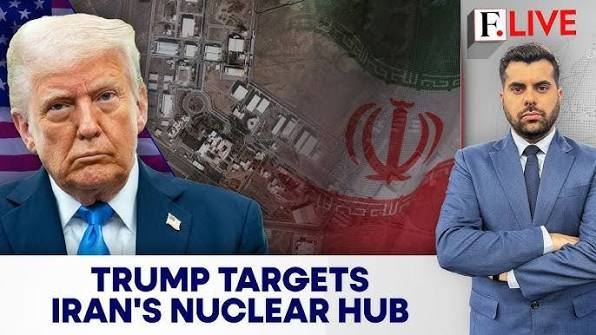
The conflict between the United States and Iran has entered a new phase after President Donald Trump warned that additional military strikes could target Iranian nuclear facilities if Tehran continues activities that Washington considers a threat to regional and global security. The latest developments have intensified fears of a wider conflict in the Middle East, with governments, financial markets, and international organizations closely monitoring the rapidly changing situation.
The renewed tensions come after months of political disagreements, military confrontations, and accusations from both sides regarding nuclear development, regional influence, and security concerns. Analysts believe the current standoff could become one of the most significant geopolitical crises of the year.
Trump Issues Strong Warning
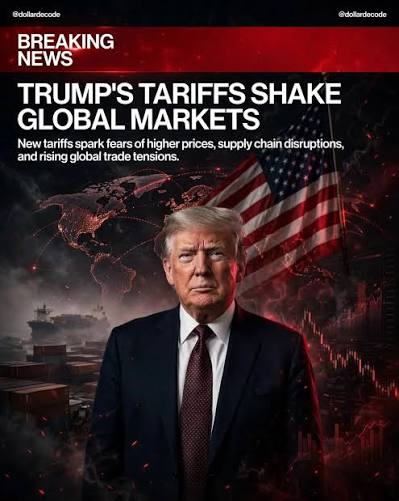
President Trump stated that the United States is prepared to take “necessary and decisive action” if Iran refuses to halt activities linked to its nuclear program. According to U.S. officials, intelligence reports continue to raise concerns about Iran’s nuclear capabilities and missile development.
Trump emphasized that the United States prefers diplomacy but would not hesitate to use military force if American interests, allies, or international security are threatened. The administration also stressed that preventing Iran from developing a nuclear weapon remains a top national security priority.
Iran Rejects U.S. Allegations
Iranian officials strongly rejected the accusations, insisting that their nuclear program is intended for peaceful purposes, including energy production and scientific research. Tehran described the U.S. warnings as provocative and warned that any new military action would receive a firm response.
Iran’s leadership also accused Washington of increasing instability across the Middle East through military deployments and economic sanctions. Officials stated that pressure and threats would not force Iran to abandon what it considers its sovereign rights under international law.
Military Presence Expands Across the Region
As tensions continue to rise, both countries have increased their military readiness. The United States has reinforced its naval and air assets in strategic locations across the Middle East to protect its forces and allies.
Iran has also reportedly increased military activity around sensitive facilities while strengthening air defense systems. Regional countries remain on high alert as fears grow that even a small incident could trigger a broader military confrontation.
Defense experts warn that any direct conflict could spread quickly beyond the two countries, affecting neighboring states and international shipping routes.
Global Leaders Call for Restraint
World leaders have urged both Washington and Tehran to avoid further escalation. The United Nations, European governments, and several international organizations have called for immediate diplomatic engagement to reduce tensions before the situation becomes uncontrollable.
Many governments believe negotiations remain the best solution to resolving disputes over Iran’s nuclear program while preventing another major conflict in the Middle East. Diplomatic efforts are expected to continue through international channels in the coming weeks.
Oil Markets React to the Crisis
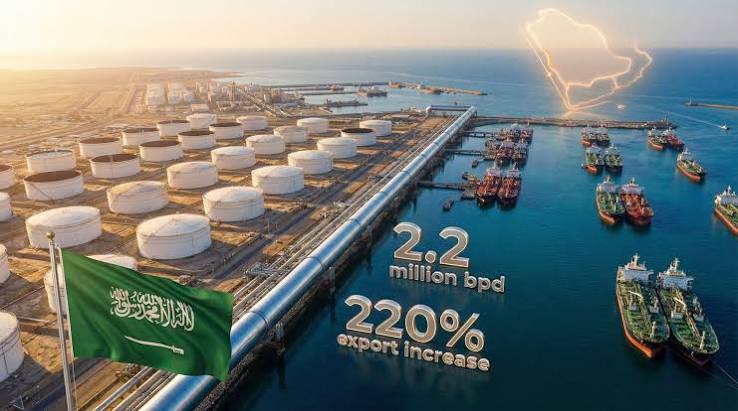
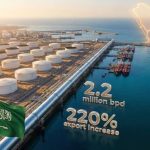
Global energy markets have responded quickly to the rising uncertainty. Oil prices experienced noticeable volatility as investors worried that military conflict could disrupt production or transportation through key shipping routes, including the Strait of Hormuz.
The Strait of Hormuz remains one of the world’s most important energy corridors, with a significant percentage of global oil exports passing through the narrow waterway every day. Any disruption could affect fuel prices worldwide and place additional pressure on inflation.
Financial analysts believe continued geopolitical uncertainty may keep energy markets unstable until the situation becomes clearer.
Impact on Global Economy
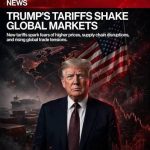
The growing crisis has also affected international financial markets. Investors have shifted money toward traditionally safer assets, while stock markets experienced periods of uncertainty following the latest statements from both governments.
Businesses involved in international trade are watching developments closely, particularly companies operating in the energy, shipping, aviation, and defense sectors. Economists warn that prolonged instability could slow global economic growth and increase costs for businesses and consumers.
Several central banks are also monitoring energy prices, as higher fuel costs could complicate efforts to control inflation in many countries.
Diplomatic Options Still Remain
Despite the strong rhetoric from both sides, diplomats believe negotiations are still possible. Previous agreements have demonstrated that dialogue between Iran and world powers can reduce tensions when both parties are willing to negotiate.
Experts suggest that international mediators may attempt to restart discussions focused on nuclear inspections, sanctions relief, and regional security arrangements. However, rebuilding trust remains a major challenge after years of political disagreements and failed negotiations.
Many observers believe that avoiding military conflict will require compromise from all sides involved.
What Happens Next?
The coming days could prove critical for regional stability. If diplomatic efforts succeed, tensions may gradually ease, allowing negotiations to replace military threats. However, any additional strikes, military incidents, or political miscalculations could significantly increase the risk of a wider regional conflict.
Governments around the world continue to monitor developments while preparing contingency plans for potential disruptions to global trade and energy supplies.
Conclusion
The latest escalation between the United States and Iran highlights the fragile security situation in the Middle East. President Trump’s warning of possible fresh strikes on Iranian nuclear sites has increased international concern about the possibility of further military confrontation. While diplomatic solutions remain available, the path forward will depend on careful political decisions by both sides.
For now, the international community hopes dialogue will prevail over conflict, preventing another crisis that could have far-reaching consequences for regional peace, global energy markets, and the world economy.