






Pakistan has intensified its diplomatic efforts in the Middle East, launching a high-level “shuttle diplomacy” initiative as regional tensions continue to rise. With Prime Minister Shehbaz Sharif visiting Saudi Arabia and Chief of Defence Forces Asim Munir engaging in talks in Tehran, Islamabad is positioning itself as a key mediator in one of the most sensitive geopolitical crises of recent times.
A Strategic Diplomatic Push
The latest developments come at a time when tensions involving Iran, the United States, and regional powers have escalated, raising concerns about wider instability. In response, Pakistan has stepped forward to play a proactive diplomatic role, engaging multiple stakeholders simultaneously.
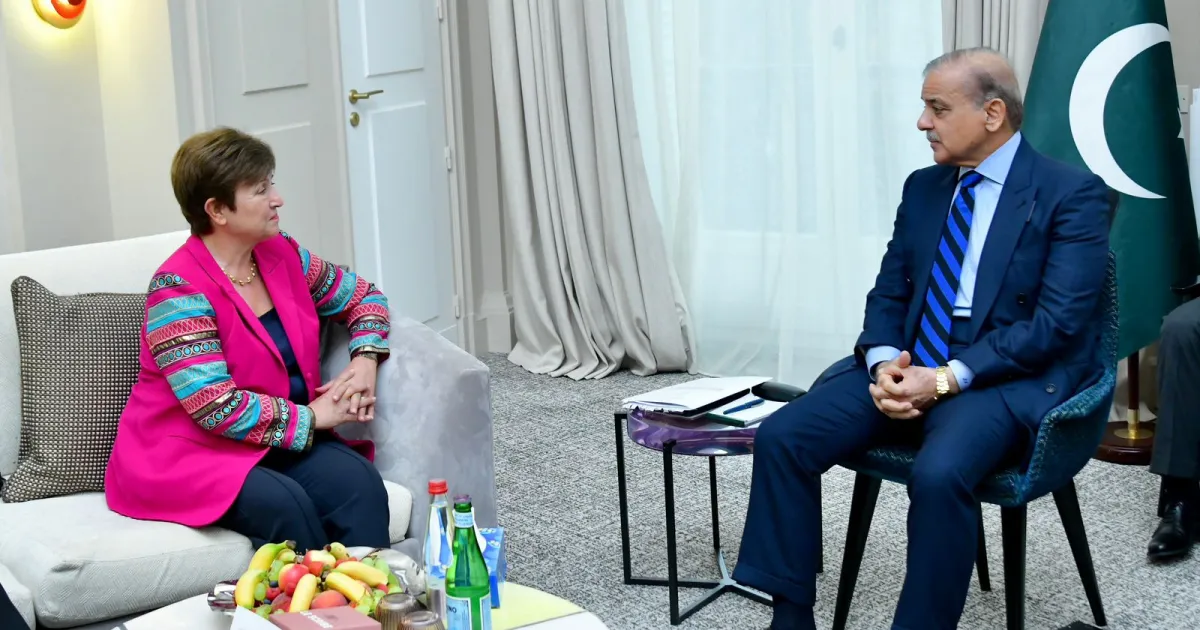
Prime Minister Shehbaz Sharif embarked on a multi-country tour that includes Saudi Arabia, Qatar, and Türkiye. The visit aims to strengthen bilateral ties while also building consensus for peace in the region.
At the same time, Pakistan’s military leadership, led by Field Marshal Asim Munir, has been actively involved in backchannel diplomacy in Tehran. These parallel efforts reflect a coordinated civil-military approach to addressing the crisis.
Focus on Saudi Arabia: Strengthening Alliances
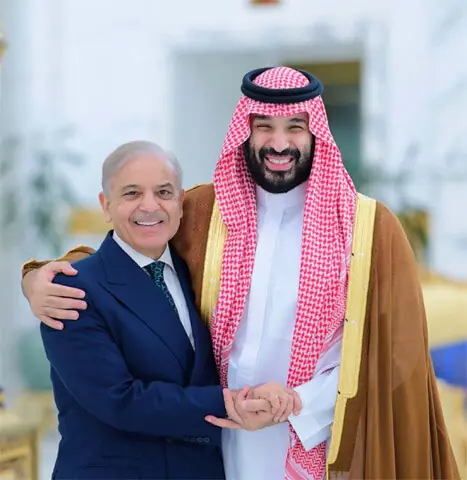
Saudi Arabia remains a key partner for Pakistan, both economically and strategically. During his visit, Prime Minister Sharif is expected to hold high-level meetings with Crown Prince Mohammed bin Salman, focusing on defense cooperation, economic ties, and the broader regional situation.
The visit also comes shortly after failed negotiations between the United States and Iran, highlighting the urgency of renewed diplomatic engagement.
By engaging Riyadh, Pakistan aims to align with influential regional players and gather support for de-escalation efforts.
Tehran Engagement: Backchannel Negotiations
While the Prime Minister focuses on Gulf diplomacy, Pakistan’s military leadership is playing a crucial role in Tehran. The visit by Asim Munir signals Islamabad’s intent to maintain open channels with Iran, a key player in the ongoing crisis.
Pakistan’s involvement in facilitating dialogue between Iran and the United States has gained international attention. Reports suggest that Islamabad may even host future rounds of negotiations, further solidifying its role as a mediator.
This dual-track diplomacy—engaging both Saudi Arabia and Iran—demonstrates Pakistan’s delicate balancing act in a highly polarized region.
Why Shuttle Diplomacy Matters
Shuttle diplomacy refers to the practice of moving between different countries to mediate conflicts and build consensus. Pakistan’s current strategy reflects this approach, as its leadership engages multiple capitals within a short span of time.
The goal is clear: reduce tensions, encourage dialogue, and prevent further escalation. With global oil markets प्रभावित and regional security at risk, the stakes are high not just for the Middle East but for the world.
Pakistan’s efforts are particularly significant because it maintains working relationships with both Saudi Arabia and Iran—two rivals with competing interests in the region.
Civil-Military Coordination
One of the most notable aspects of this diplomatic initiative is the close coordination between Pakistan’s civilian and military leadership. Prime Minister Shehbaz Sharif and Field Marshal Asim Munir have reportedly been working in tandem, reviewing progress and aligning strategies for peace efforts.
This unified approach enhances Pakistan’s credibility as a mediator and allows it to engage more effectively with different stakeholders.
Challenges Ahead
Despite these efforts, the road to peace remains uncertain. Previous rounds of negotiations between the United States and Iran have failed to produce a breakthrough, and mistrust continues to hinder progress.
Moreover, regional dynamics are complex, involving multiple actors with conflicting interests. Any diplomatic initiative will require sustained effort, patience, and compromise from all sides.
Pakistan also faces the challenge of maintaining neutrality while engaging with rival powers. Balancing relations with Saudi Arabia and Iran requires careful diplomacy to avoid alienating either side.
Global Implications
Pakistan’s diplomatic push is not just a regional effort—it carries global significance. The outcome of these negotiations could impact energy markets, international trade routes, and overall geopolitical stability.
By stepping into a mediatory role, Pakistan is enhancing its international standing and demonstrating its ability to contribute to global peace efforts.
Conclusion
Pakistan’s intensified shuttle diplomacy marks a bold and strategic move in a time of heightened regional tensions. With Prime Minister Shehbaz Sharif engaging Saudi leadership and Field Marshal Asim Munir holding talks in Tehran, Islamabad is actively working to bridge divides and promote dialogue.
While challenges remain, these efforts highlight Pakistan’s growing role as a diplomatic player on the global stage. Whether this initiative leads to a lasting resolution or not, it underscores the importance of dialogue in an increasingly uncertain world.