






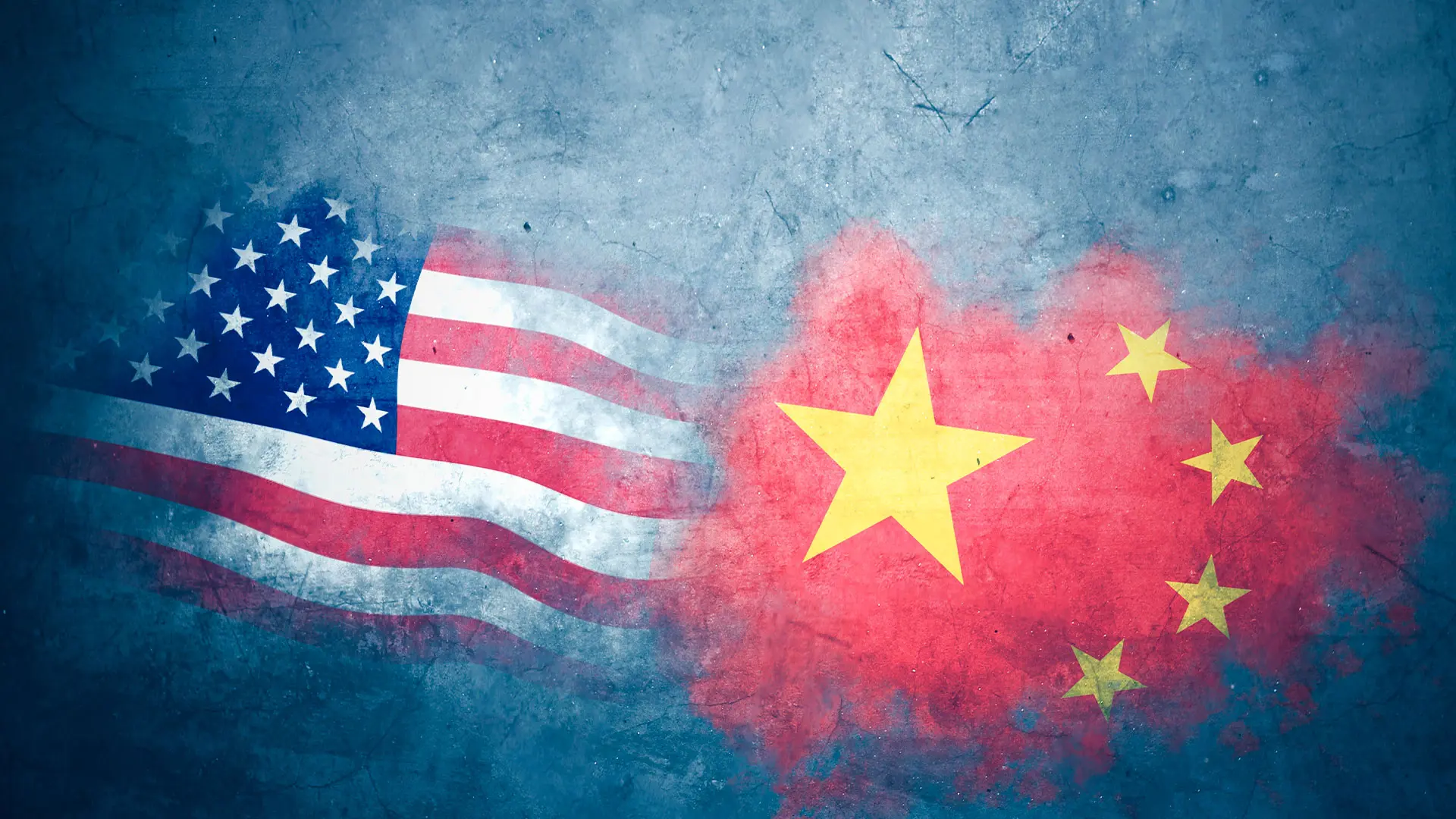
The relationship between the United States and China has become one of the most important issues in modern international politics. As the two strongest economies in the world, both countries have a major influence on global trade, technology, security, and diplomacy. Their decisions affect millions of people around the world, making their relationship a key factor in shaping the future of humanity. Today, many experts believe that the future of peace and economic stability depends on how these two powerful nations manage their growing rivalry.
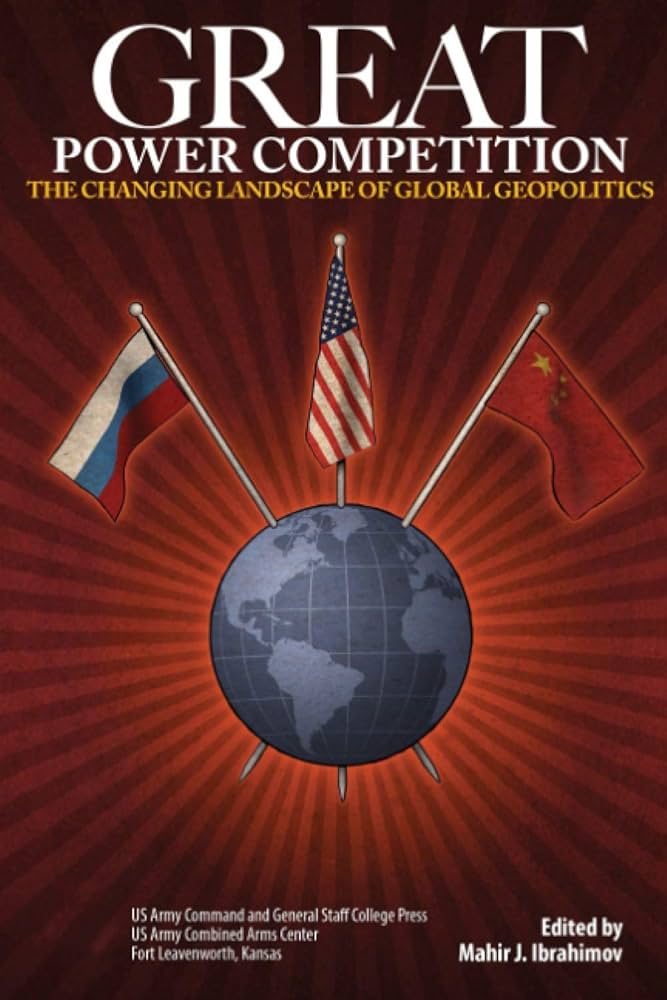
China has experienced remarkable growth over the last few decades. It has transformed from a developing nation into a global economic superpower. Through rapid industrial development, technological progress, and international investment projects, China has expanded its influence across Asia, Africa, and Europe. At the same time, the United States has remained the world’s leading military and economic power with strong international alliances and advanced technology. However, as China’s influence continues to grow, competition between the two countries has become more intense.
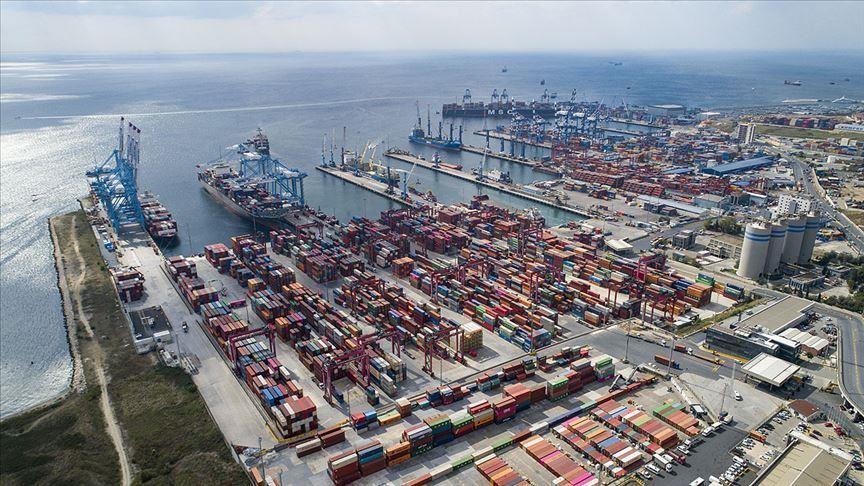
One major area of conflict between the United States and China is trade. In recent years, both countries imposed tariffs on each other’s products, leading to a trade war that affected global markets. The United States accused China of unfair trade practices, intellectual property theft, and controlling markets through state support. China rejected these accusations and claimed that the United States was trying to slow down its economic growth. This trade conflict created uncertainty for businesses and affected economies around the world. Many companies faced rising production costs, while consumers experienced higher prices for goods and services.
Technology has become another major battleground between the two powers. The United States and China are competing to dominate industries such as artificial intelligence, semiconductor manufacturing, cybersecurity, and telecommunications. The United States has restricted Chinese technology companies from accessing certain American technologies because of national security concerns. In response, China has invested heavily in developing its own technology sector to reduce dependence on foreign products. This competition is not only economic but also strategic because technological leadership can determine future military and political power.
Another serious issue in US-China relations is Taiwan. Taiwan is a self-governing island that China considers part of its territory. The United States supports Taiwan by providing defensive assistance and maintaining close unofficial relations. China strongly opposes this support and has increased military activities near Taiwan in recent years. Many experts fear that a military conflict over Taiwan could have dangerous global consequences. Such a conflict could disrupt international trade, damage the global economy, and increase tensions between major world powers.
In addition to economic and military rivalry, both countries are competing for global influence. China has expanded its presence in developing countries through infrastructure projects, investments, and trade agreements. Many nations have welcomed Chinese support because it helps improve transportation, energy systems, and industrial development. Meanwhile, the United States continues to strengthen its alliances and promote democratic values around the world. This competition has created a situation where many smaller countries attempt to maintain balanced relations with both nations to protect their own economic and political interests.
Despite rising tensions, cooperation between the United States and China remains extremely important. Global problems such as climate change, economic instability, public health crises, and terrorism require international collaboration. For example, reducing carbon emissions and protecting the environment cannot be achieved without cooperation between the world’s two largest economies. Similarly, future pandemics may require joint scientific research and coordinated global responses. Without communication and cooperation, solving these worldwide challenges could become much more difficult.
Some analysts believe the world is entering a new Cold War similar to the rivalry between the United States and the Soviet Union during the twentieth century. Others argue that the strong economic connections between America and China make direct conflict unlikely. Instead, they believe the future will involve both competition and cooperation. While the two countries compete for global leadership, they also depend on each other economically in many ways.
The future of US-China relations will play a major role in determining the direction of the modern world. If both countries choose diplomacy, peaceful dialogue, and cooperation, the future could be stable and prosperous for many nations. However, if tensions continue to rise without compromise, the world may face greater uncertainty, economic instability, and political conflict. In many ways, the future of global peace now depends on whether the United States and China can manage their differences responsibly while working together on common international challenges.